
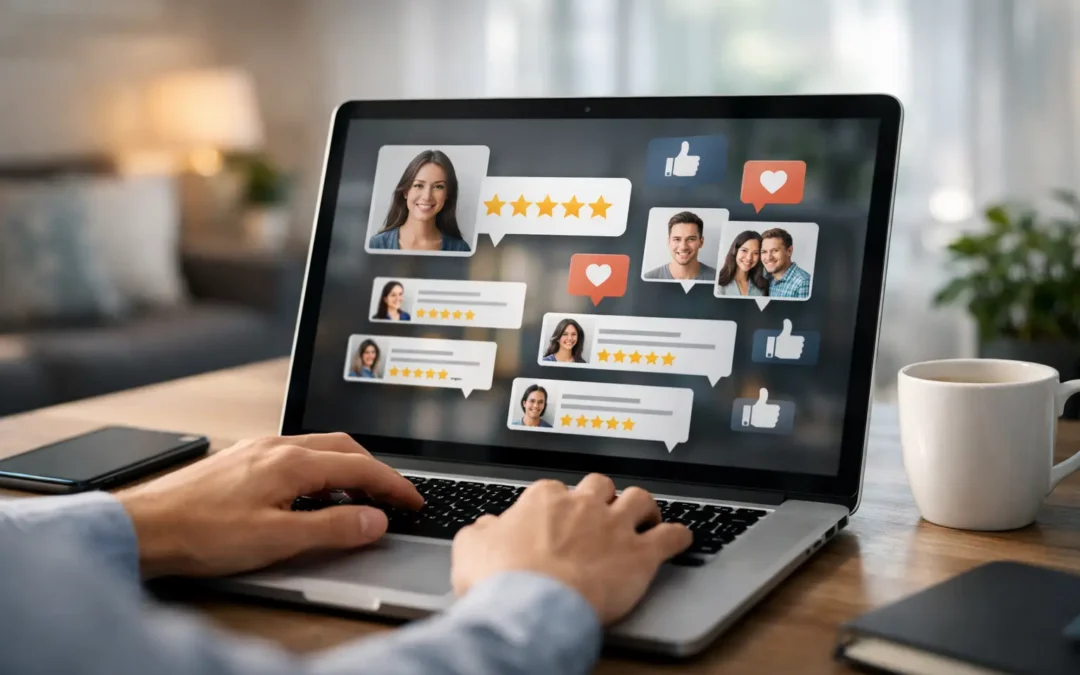
A profile with 200 followers and patchy engagement gets judged in seconds. A profile with visible activity, consistent likes and strong audience signals gets treated differently straight away. That is why social proof matters online – people make fast decisions, and those decisions affect whether they follow, click, buy or move on.
For creators, brands and small businesses in the UK, social media is not just a place to post content and hope for the best. It is a public scoreboard. People look at your numbers before they look at your message. If your account appears active, trusted and in demand, you are far more likely to hold attention. If it looks quiet, many users assume your offer is not worth their time, even when your product or content is genuinely strong.
Why social proof matters online for growth
Social proof is the visible evidence that other people already trust you. That includes followers, likes, views, comments, shares, subscribers and all the public signals that make an account look established. These numbers may seem simple, but they influence behaviour in a big way.
Most people do not research every account from scratch. They scan. They compare. They make snap judgements based on cues that feel safe and familiar. When they see strong engagement, they assume others have already vetted you. That lowers resistance and makes it easier for them to do the same.
This matters even more on crowded platforms like Instagram, TikTok, YouTube and Threads, where attention is brutally competitive. Users are flooded with options. They need a reason to stop scrolling, and visible social proof often provides it. A well-presented account with healthy numbers looks more relevant, more credible and more worth backing.
There is also a momentum effect. People prefer joining something that already looks like it is moving. A creator with rising views appears more exciting. A business page with active likes looks more legitimate. A musician with strong plays and followers feels more worth checking out. The numbers are not the whole story, but they shape the first impression before your content gets a proper chance.
The psychology behind online trust
People are influenced by crowds, especially online where direct trust is harder to build. In person, you can rely on body language, conversation and physical presence. Online, most of that disappears. What remains are signals.
That is where social proof carries real weight. If hundreds or thousands of people appear to engage with your content, new visitors feel less risk in engaging too. It is a shortcut for trust. Nobody wants to back the account that looks deserted when another option looks active and popular.
This does not mean every high-number account is automatically better. Savvy users can spot weak branding, poor content and obvious inconsistency. Still, the initial advantage is real. Strong public metrics buy you more attention, more curiosity and more willingness from people to take the next step.
For businesses, that next step might be a sale or an enquiry. For creators, it might be a follow, a stream or a collaboration. For local brands and online shops, it might be the difference between a customer checking out or bouncing off your page. Trust online is fragile. Social proof helps strengthen it fast.
Social proof affects more than perception
One of the biggest mistakes people make is treating social proof as vanity only. In reality, it can influence visibility as well as credibility.
Platforms reward engagement because engagement suggests relevance. If a post starts gaining likes, views, comments or shares, it sends a signal that users are interested. That can help the platform push the content further. It is not guaranteed, and every platform works differently, but momentum matters. Stronger engagement signals can improve reach, especially when paired with decent content and consistent posting.
That is why low numbers can be such a problem. It is not only about looking smaller than your competitors. It is also about struggling to generate enough early traction to get noticed at all. A good post from a low-activity account can disappear quickly. The same post from an account with stronger social proof is more likely to hold attention and trigger more interaction.
This is where a practical growth strategy matters. Social proof can help create the conditions for better performance. It makes your content look more worth engaging with, which can encourage real users to pile in. The result is not magic. You still need solid branding, relevant content and a clear offer. But stronger numbers often make those efforts work harder.
Why brands, creators and small businesses feel the pressure
If you rely on online attention to make money, weak social proof costs you. It can make your business look newer, smaller or less trusted than it really is. That is frustrating when you know your product is strong but your public metrics are not telling the same story.
Creators feel this when they pitch themselves for deals. Businesses feel it when customers compare pages before buying. Musicians feel it when listeners judge whether a track is worth playing. Ecommerce sellers feel it when people hesitate because the brand page looks quiet. In every case, social proof acts like a form of digital reassurance.
There is also the issue of competition. Your audience is not evaluating you in isolation. They are comparing you against similar accounts, similar shops and similar offers. If a competitor has stronger visible engagement, they often look like the safer bet. That does not always mean they are better. It just means they look more established.
For many growth-focused users, waiting months for that momentum to build naturally is not realistic. They want traction now, especially when launching a product, promoting a release or trying to push through a slow period. Speed matters because online attention moves quickly. If your profile does not look ready when people arrive, you lose opportunities.
Why social proof matters online when people buy fast
Online buyers are impatient. They do not want uncertainty, and they do not want to spend ages deciding whether to trust a page. Social proof helps reduce that hesitation.
A business profile with active followers and visible engagement looks more stable. A video with strong views looks more worth watching. A post with healthy interaction appears more relevant. These signals help people feel they are making a sensible choice instead of taking a chance on something unproven.
That is especially important for smaller businesses without a massive advertising budget. You may not have national recognition, but you can still build authority through visible social proof. It gives your brand presence. It helps your account look alive. It can make the difference between being ignored and being taken seriously.
There is a trade-off, of course. Social proof on its own will not save weak content, poor service or a confusing offer. If your page looks busy but your brand feels sloppy, people will notice eventually. The best results come when social proof supports something already worth promoting. Think of it as fuel, not a substitute for direction.
Building momentum without adding friction
For growth-focused brands, the appeal of social proof is simple. It shortens the gap between being present online and looking credible online. That matters when first impressions happen in a glance.
Services that boost followers, likes, views and other engagement signals can be useful because they remove the slow start problem. Instead of relying only on chance, you can strengthen your public presence quickly and make your account look more established from the outset. For busy creators and businesses, that is a practical advantage.
The safer approach is always the smarter one. People want quick results, but they also want secure payments, straightforward ordering and delivery that does not create unnecessary risk. That is why buyers tend to prefer providers that are clear, reliable and easy to deal with. Greedier Social Media fits naturally into that space by focusing on fast delivery, no password requirements and UK support, which matters when trust is already the issue you are trying to solve.
Still, it depends on your goals. If you are launching a new page, stronger starter numbers can help with credibility. If you already have an audience, extra engagement can support visibility and sharpen how your brand is perceived. If you are trying to impress customers, labels or potential partners, a stronger social presence can make those conversations easier before they even begin.
Make your numbers work for you
The internet is full of good content that gets overlooked because it does not look trusted fast enough. That is the real reason social proof matters. It influences attention before your audience has read a caption, watched a full clip or visited your shop.
If people are going to judge your profile in seconds anyway, give them something convincing to judge. Stronger social proof will not do everything, but it can open the door wider, speed up trust and put your brand in a better position to win the attention it deserves. Start treating your public engagement like a business asset, because online, that is exactly what it is.
For more background, see HubSpot’s guide to social proof: https://blog.hubspot.com/marketing/social-proof.