
Whether can buying followers get you banned depends far more on the provider than most people assume.
The short version: the accounts behind your followers matter more than the fact you bought them. Bot-based purchases are what actually trigger the risks below, because empty, inactive profiles are exactly what platform purges are built to catch. That is why every order we deliver uses real, active accounts at a gradual pace rather than an instant bot spike, see how it works on our Instagram Followers page.
Yes. Buying followers breaches Instagram’s own rules on inauthentic activity, and the platform can remove the fake accounts, restrict your reach, or disable your account entirely if it happens repeatedly. Businesses face an extra layer of risk, since inflating your follower count for commercial gain can count as a deceptive practice under regulators’ rules. If you have already bought followers, disconnect any third-party service from your account and change your password immediately.
Not legal advice. This article discusses general information about platform policies and publicly available rules, not a legal opinion. Laws, regulations, and enforcement practices vary by country and change over time. If this affects a real business decision, speak to a qualified solicitor or attorney in your jurisdiction rather than relying on this page.
TL;DR:
- Buying followers often results in sudden follower drops during platform purges, revealing the presence of fake accounts rather than genuine growth.
- Inactive bot followers lower engagement rates and reduce organic reach, which can harm visibility regardless of follower count.
- Repeated or bulk follower purchases increase the risk of account restrictions, suspensions, and even permanent disabling, especially for business accounts.
- Legal risks are higher for commercial accounts using inflated follower numbers to attract clients or justify pricing, potentially violating FTC regulations.
- Genuine growth strategies, such as quality content and targeted engagement, outperform shortcuts and lead to sustainable, less risky audience building.
Table of Contents
- Can buying followers get you banned? What platform policies say
- What actually happens after you buy followers
- Legal and commercial risks of buying followers
- How to tell if bought followers have hurt your account
- Building a following that won’t disappear overnight
- What we see behind the scenes
- A safer route to growing your following
- Verify the primary sources
- Sources
- FAQ
Can buying followers get you banned? What platform policies say
Meta’s own transparency documentation spells out how it treats fake engagement, and it does not leave much room for interpretation. Instagram and Threads sit under Meta’s community standards on spam, which explicitly cover “inauthentic behaviour”, including the use of fake accounts, bots, and paid engagement schemes to inflate a profile’s numbers. That policy language matters because it is the primary source, not a rumour passed between marketing blogs.
Meta enforces this through a graduated system rather than an instant ban for every violation. The typical sequence looks like this:
- Removal of the fake followers, likes, or views without warning, often during a bulk cleanup
- Temporary restrictions on features such as commenting, following, or advertising
- Warnings or requests to verify you are a real person
- Suspension of specific account functions
- Permanent disabling of the account for repeated or severe violations
Automated purges are the mechanism behind most sudden follower losses. Instagram periodically sweeps its platform for accounts that show bot-like signatures: no profile photo, no posts, mass-following patterns, or creation dates clustered around known fake-account farms. Because purchased followers almost always originate from exactly these networks, they are disproportionately likely to get caught in these sweeps.
Pro Tip: Check whether a “shadowban” claim is actually documented. Meta has never formally confirmed a permanent visibility penalty called a “shadowban” in its policy pages, so treat most shadowban theories as anecdotal rather than official.
For most account owners, the practical distinction is this: a first, low-volume brush with fake followers tends to trigger a quiet cleanup and maybe a warning. Sustained or bulk purchasing, especially tied to a business account running ads, moves you up that enforcement ladder towards feature limits and, eventually, suspension.
What actually happens after you buy followers
The gap between what follower-selling services promise and what buyers experience is stark, and it plays out in a fairly predictable sequence.
- A visible follower drop. Platform purges do not trickle out quietly. Accounts often lose hundreds or thousands of followers within a single day when Instagram runs a cleanup, and that drop is public, sitting right there on your profile for anyone checking your numbers.
- A widening engagement gap. Bought followers are typically inactive bots or dormant accounts, so they never like, comment, or share anything. Your engagement rate as a percentage of followers falls even before any purge happens, since the denominator has grown while genuine interaction hasn’t. Marketing analysts at Mailchimp note that this reduced engagement also suppresses how often the algorithm shows your content to real people.
- Reduced organic reach. Instagram’s ranking systems weight engagement heavily. A profile with 20,000 followers and 40 likes per post looks unhealthy to the algorithm, and it tends to show that content to fewer people over time.
- Ad account friction. Advertisers who lean on inflated follower counts to justify ad spend or influencer rates sometimes find campaigns rejected or under-delivering once Meta’s systems flag unusual account activity.
- Lost monetisation eligibility. Creators on platforms with monetisation programmes can find bot-heavy audiences disqualify them from creator funds or bonus schemes that require genuine engagement thresholds.
The reputational damage often outweighs the algorithmic penalty. A follower purge is visible to clients, collaborators, and customers, and a brand caught with a bot-heavy audience loses trust faster than one that simply grew slowly.
Legal and commercial risks of buying followers
Personal accounts buying a few hundred followers for vanity reasons sit in a legal gray zone that regulators rarely bother with. Commercial accounts are a different matter entirely.
The US Federal Trade Commission’s rule at 16 CFR Part 465.8 makes purchasing fake indicators of social influence, including followers, for a commercial purpose an unfair or deceptive practice. LegalClarity’s breakdown of the rule explains that this exposes businesses to civil penalties when they use inflated metrics to pitch brand deals, justify ad rates, or misrepresent their reach to customers and partners. Regulators have moved past guidance documents into an enforceable rule, which changes the risk calculation considerably for anyone monetising a social profile.
UK consumer protection law follows a similar logic, treating misleading commercial claims about a business’s popularity or reach as the kind of practice that competition and consumer authorities can act against, even where enforcement against individual small accounts remains rare in practice.
The threshold that matters is intent and use, not the platform:
- Personal, non-commercial accounts buying followers face platform penalties but limited legal exposure.
- Business accounts using follower counts to attract clients, sell sponsorships, or justify pricing cross into commercial misrepresentation territory.
- Any account running paid ads off the back of inflated metrics adds an extra layer of scrutiny from the advertising platform itself.
Small businesses and creators pitching brand partnerships should treat inflated followings as a genuine legal liability, not just a platform risk.
How to tell if bought followers have hurt your account
A quick audit takes less than fifteen minutes and tells you almost everything you need to know.
- Check your follower growth chart. Instagram’s native analytics (or a third-party dashboard) shows sudden spikes followed by equally sudden drops, which is the fingerprint of a batch purchase followed by a purge.
- Compare engagement rate against your follower count. If your likes and comments per post have flatlined while followers rose, that mismatch is the clearest sign of fake accounts diluting your numbers.
- Review impressions and reach trends. A falling reach despite a stable or growing follower count usually means the algorithm has deprioritised your content.
- Sample your follower list manually. Scroll through fifty or so accounts. No profile photo, zero posts, and generic usernames with random numbers are the classic bot signature.
- Check for rejected ad campaigns or warning notifications. These often surface before any visible follower drop.
If the audit confirms the problem, act methodically rather than panicking.
- Revoke access for any third-party follower or engagement app immediately, through your account’s connected apps settings.
- Change your password and switch on two-factor authentication.
- Manually remove or soft-block obviously fake accounts rather than waiting for a platform purge.
- Pause any ad campaigns until your engagement metrics stabilise.
- Monitor your analytics weekly for a month to confirm the cleanup is holding.
Pro Tip: Never hand your password to a “follower cleanup” tool that promises to strip out bots automatically. Handing over credentials to a third-party service is exactly the behaviour that put your account at risk in the first place, and it violates Meta’s own guidance on spam and inauthentic activity.
Avoid the instinct to buy more followers to replace the ones you lost. That simply restarts the same cycle with a fresh batch of accounts that will eventually get purged too.
Building a following that won’t disappear overnight
Real audience growth is slower, but it does not evaporate the moment a platform runs a cleanup. A handful of practices consistently outperform any shortcut:
- Post consistently, and prioritise content quality over frequency. A comprehensive approach to Instagram growth treats consistency and quality as the two levers that compound over months, not days.
- Use hashtags that match your actual niche rather than generic high-volume tags. A tool like the Instagram hashtag generator from AmmarAI can help surface tag sets your specific audience is actually searching.
- Reply to comments and DMs promptly. Engagement from your account signals to the algorithm that your profile is active and worth showing to others.
- Run collaborations or shoutout swaps with accounts in an adjacent niche, since shared audiences convert better than cold outreach.
- Use platform ad tools for targeted reach rather than follower-buying services, since ad spend at least puts your content in front of real, targeted people.
- Disclose paid partnerships properly. Influencer collaborations with clear disclosure protect you from the same misrepresentation risk that follower buying carries.
Small businesses often underestimate how much a genuine social media presence contributes to trust with actual customers, not just visibility in a feed. A modest, engaged following of a few hundred real people who comment and buy consistently outperforms ten thousand accounts that never interact. Marketing commentary consistently points the same direction: organic, engaged audiences convert better than large fake ones, because the people behind the numbers are the ones who actually spend money.
What we see behind the scenes
Most cases we come across follow the same arc: a business buys a quick batch of followers before a launch or a pitch deck, sees numbers jump, then watches them evaporate within weeks alongside a dent in credibility that takes months to repair. Vanity growth rarely survives contact with reality. Our approach avoids that trap entirely by focusing on retention rather than a one-off spike that disappears by the following month.
— Irwin Lee
A safer route to growing your following
There are other paths to bigger numbers: DIY hashtag campaigns, influencer shoutouts, or gambling on a follower-selling service and hoping the purge never comes. Certain services take a different route entirely. Rather than routing growth through anonymous bot farms that vanish in the next platform sweep, some packages deliver real engagement without requiring your password, supported by customer service that responds when issues arise.
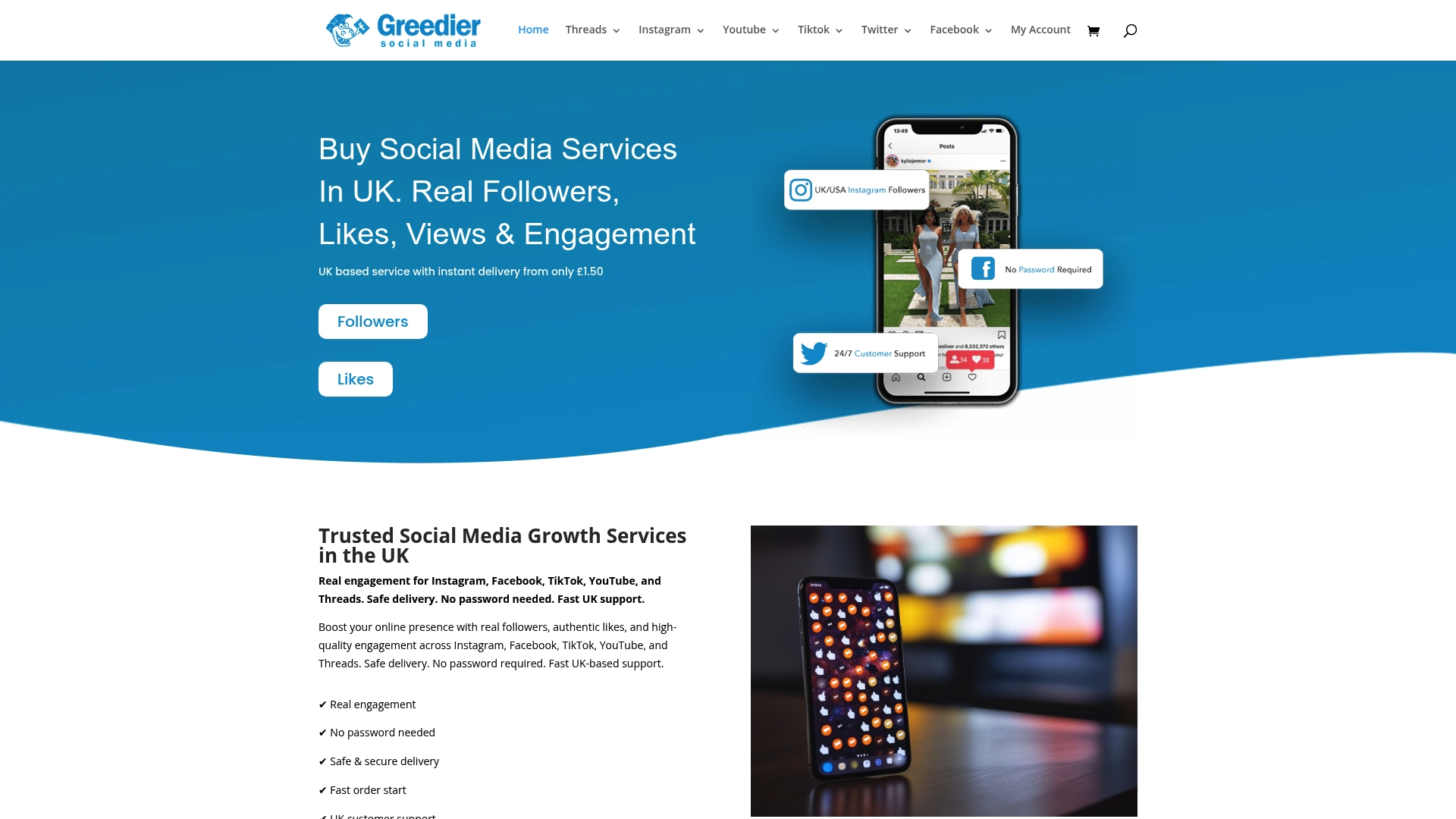
The difference shows up in what survives contact with a platform audit. Bought bot followers get purged; the kind of authentic engagement that outperforms fake followers does not, because it comes from real, interested accounts rather than disposable ones. If you are weighing whether to gamble on a cheap follower package or invest in something that actually holds up under scrutiny, start by checking real Instagram follower packages with instant delivery and see what a password-free, transparent service looks like before you commit to anything.
Verify the primary sources
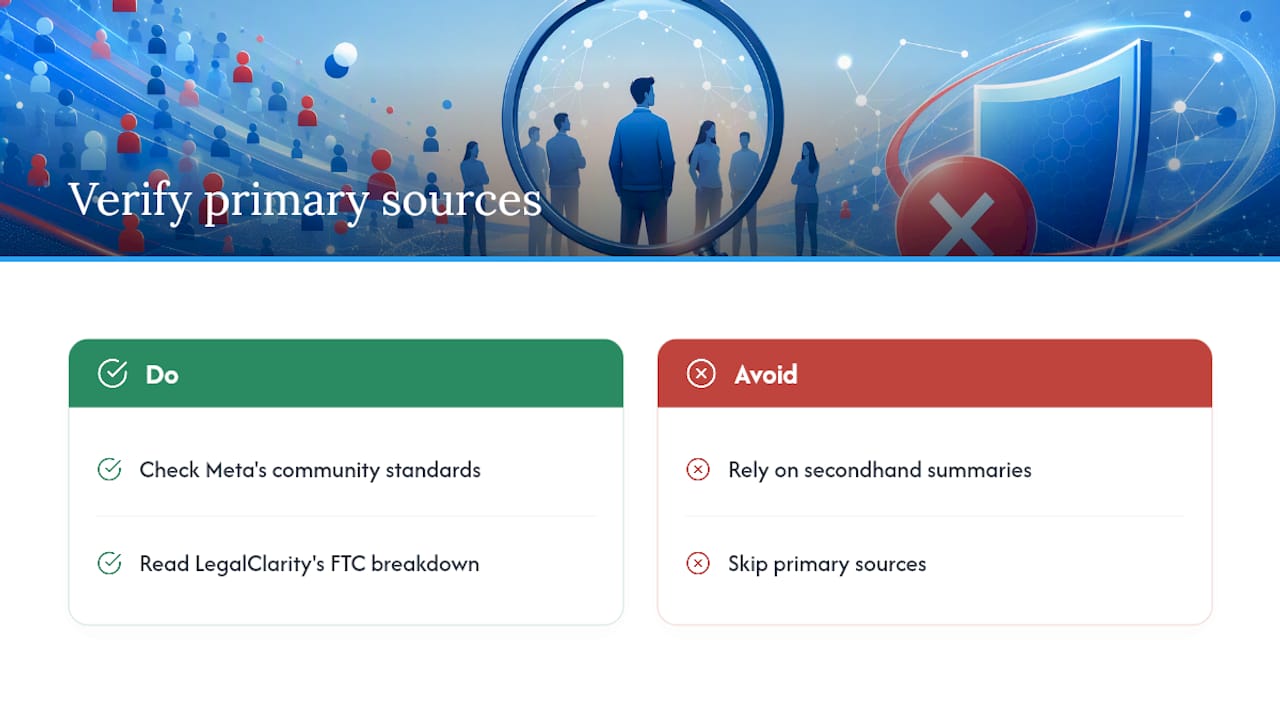
Check Meta’s community standards on spam and LegalClarity’s FTC rule breakdown directly rather than relying on secondhand summaries.
Sources
- Meta transparency – community standards: spam
- Is It Illegal to Buy Instagram Followers? FTC rules explained – LegalClarity
- Can you buy Instagram followers? — Mailchimp resources
FAQ
Can you get banned on Instagram if you buy followers?
Yes, repeated or bulk follower purchases can lead to feature restrictions or account disabling, since Meta’s community standards on spam classify bought engagement as inauthentic activity subject to removal and penalties.
Will TikTok ban me for buying followers?
TikTok enforces similar rules against fake engagement and inauthentic accounts, and buyers commonly see the same pattern as on Instagram: sudden follower drops during platform purges, followed by reduced reach if the behaviour continues.
What happens if I buy followers?
You typically get inactive bot accounts that inflate your count without adding engagement, and platforms periodically purge these accounts, causing visible follower drops and a falling engagement rate that hurts organic reach.
Is it legal to buy followers on Instagram?
It is generally legal for private individuals, but using purchased followers to misrepresent influence for commercial purposes, such as pitching brand deals, falls under the FTC’s rule against fake indicators of social influence and carries potential civil penalties.
How do I know if my account already has fake followers?
Compare your engagement rate against your follower count, sample your follower list for bot-like profiles, and check for sudden spikes in your growth chart, since those common fake follower warning signs usually appear together rather than in isolation.