
The role of Instagram Stories for local shops goes well beyond simple daily updates.
TL;DR:
- Instagram Stories provide local shops with high-reach, time-sensitive content that boosts customer visits and engagement. Using location tags and posting 1–3 daily Stories can significantly increase local discovery and sales. Consistent, authentic Stories and tracking their impact help local businesses convert views into in-store customers.
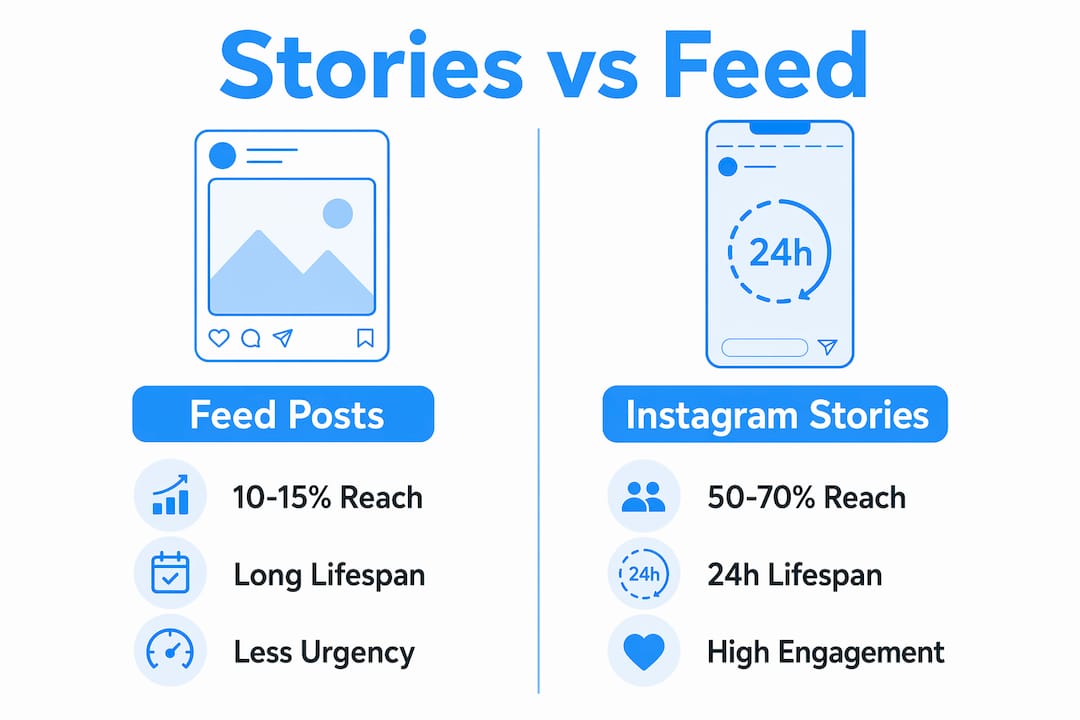
Instagram Stories is defined as a full-screen, vertical content format on Instagram that disappears after 24 hours and sits at the top of every follower’s feed. The role of Instagram Stories for local shops goes far beyond casual posting. Stories reach 50–70% of a business’s followers, compared to just 10–15% for standard feed posts. That gap is not a minor difference. It means a local florist, bookshop, or café can put its message in front of the majority of its audience every single day, without paying for advertising. This guide explains exactly how to use that reach to bring more customers through your door.
How Instagram Stories boost engagement and foot traffic for local shops
Stories outperform feed posts because of how Instagram surfaces them. Feed posts compete in an algorithm that deprioritises content from accounts followers do not regularly interact with. Stories appear in a dedicated bar at the top of the screen, and followers tap through them habitually. The result is a structural advantage that no amount of polished photography can overcome in the feed.
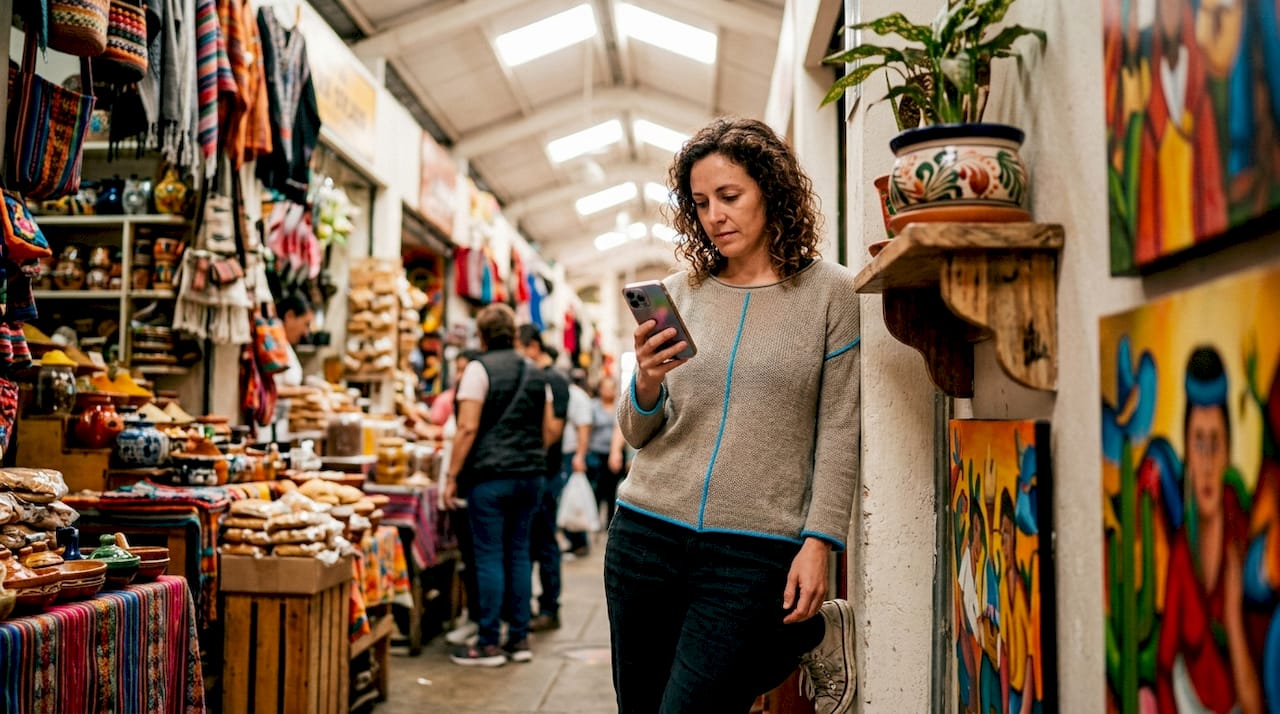
The 24-hour expiry of Stories is their greatest commercial strength for local shops. When a customer sees “only 3 left in stock” or “today’s lunch special” in a Story, the clock is already running. That urgency removes the option to “save it for later,” which is the death of most social media marketing. Customers either act now or miss the offer entirely.
The table below shows how Stories and feed posts compare across the metrics that matter most to local shop owners.
| Metric | Feed posts | Instagram Stories |
|---|---|---|
| Follower reach | 10–15% | 50–70% |
| Content lifespan | Indefinite | 24 hours |
| Urgency effect | Low | High |
| Interactive features | Limited | Polls, questions, stickers |
| Discovery by non-followers | Moderate | Via location tags |
The practical implication is clear. A Story announcing a flash sale at 9AM can fill a quiet Tuesday morning. A feed post announcing the same sale may reach a fraction of your audience, hours after the moment has passed.
Pro Tip: Post your most time-sensitive offers as Stories first, then share a feed post only if the offer runs for more than one day. This keeps urgency intact where it matters most.
How do location tags increase local shop visibility on Instagram?
Using native location tags in Instagram Stories can increase engagement by up to 79% for local businesses. That figure reflects a simple truth: people pay more attention to content that feels relevant to where they are right now.
When you tag your shop’s location in a Story, Instagram can surface that content to users who are browsing nearby locations or searching that area. Geo-tagging broadcasts your content to local users who are physically close to your store, which is exactly the audience most likely to walk through your door within the hour. A boutique in Leeds tagging “Headingley” or “Leeds City Centre” reaches people who are already in the neighbourhood, not a national audience who will never visit.
Best practices for location tagging in Stories include:
- Tag your exact shop address using Instagram’s native location sticker, not just a general area name.
- Tag your neighbourhood or district as a second Story in the same sequence to capture a wider local radius.
- Use local hashtags alongside location tags such as #ShopLocalManchester or #BristolEats to extend reach beyond followers to local searchers.
- Rotate between your street, district, and town across different Stories to test which location tag drives the most profile visits.
- Consider geo-fenced Story advertising if you want to pay to reach non-followers within a defined radius of your shop.
For visual storytelling tips that make your location-tagged content more compelling, pairing strong visuals with local context consistently outperforms generic product shots.
Pro Tip: Tag a well-known local landmark or street in addition to your shop address. People search for places they recognise, and your Story may appear in those results even if they have never heard of your shop.
What types of Stories content work best for local retailers?
Posting frequency matters as much as content quality. Posting 1–3 Stories daily keeps your shop at the top of followers’ feeds consistently. Posting less than once a day risks disappearing from the rotation entirely.
The good news is that Stories take roughly 30 seconds to create. A quick photo of today’s new stock, a 10-second video of a product in use, or a poll asking followers which colour they prefer requires no professional equipment. Imperfection is not a liability in Stories. Raw, immediate content often performs better than polished production because it feels real.
High-performing Stories for local shops consistently include the following content types:
- Availability updates: “We just got 5 of these back in stock” drives immediate visits from customers who were waiting.
- Behind-the-scenes content: Show the morning setup, a delivery arriving, or a product being made. Followers feel connected to the shop, not just the product.
- Flash sales: A 4-hour discount announced only in Stories rewards your most engaged followers and creates genuine urgency.
- Customer testimonials: A short video or screenshot of a happy customer review builds trust faster than any caption.
- Polls and question stickers: Ask followers “Which new flavour should we stock?” or “What time do you usually shop?” The algorithm favours Stories that generate interaction, and you get useful market research at the same time.
Timing your Stories to match when your audience is most active is the single most underused tactic in local shop marketing. Check your Instagram Insights for peak activity windows, then schedule your most important Stories for those slots.
Pro Tip: Post a “doors open” Story each morning at your opening time. It takes 30 seconds and trains your followers to check your Stories as part of their daily routine.
How do you convert Instagram Story views into in-store visits?
Successful local retailers convert digital Story views into physical store visits by making the next step obvious and frictionless. Every Story that promotes a product or offer should include a clear call-to-action sticker. Instagram provides link stickers, location stickers, and DM stickers that remove the need for a customer to think about what to do next.
A three-part Story sequence works particularly well for driving visits. Use this structure:
- The hook: Show the product, offer, or event in a single compelling image or short video. Keep text minimal. The visual does the work.
- The proof: Follow immediately with a customer testimonial, a “sold out last week” reminder, or a before-and-after result. Social proof removes hesitation.
- The offer: Present the specific reason to visit today. Include a time limit, a quantity limit, or an exclusive in-store benefit. Add a link sticker or a “DM us to reserve” sticker to capture intent.
Attribution is the part most local shop owners skip. Correlating Story campaigns with foot traffic and daily revenue spikes gives you real evidence of what is working. Note the date and time of each Story campaign, then compare your sales figures and visitor counts for that period against your baseline. This does not require sophisticated software. A simple spreadsheet tracking daily revenue alongside your posting activity reveals patterns within a few weeks.
Local relevance and timeliness are the two factors that separate Stories that drive visits from Stories that are simply watched. A Story about a product that is available everywhere, posted at 11PM, will not move people. A Story about a product exclusive to your shop, posted at 9AM on a Saturday, will.
For a deeper look at building an Instagram marketing strategy that connects your Stories activity to broader business goals, the principles of consistency and local relevance apply across every format.
Key takeaways
Instagram Stories are the highest-reach format available to local shops on Instagram, and consistent daily use of location tags, interactive stickers, and time-sensitive offers converts viewers into same-day visitors.
| Point | Details |
|---|---|
| Stories reach far more followers | Stories reach 50–70% of followers versus 10–15% for feed posts. |
| Location tags amplify local discovery | Native location tags can increase engagement by up to 79% for local businesses. |
| Post 1–3 Stories daily | Consistent daily posting keeps your shop visible at the top of followers’ feeds. |
| Use a three-part Story sequence | Hook, proof, and offer sequences drive the highest conversion from view to visit. |
| Measure with revenue correlation | Compare sales and foot traffic during Story campaigns against baseline periods to track impact. |
Why I think most local shops are using Stories the wrong way
Most local shop owners treat Instagram Stories like a second feed. They post the same polished product photo they already shared in the feed, add a sticker, and wonder why nothing happens. That approach misses the entire point of the format.
Stories work because they feel live. The best-performing Stories I have seen from local retailers are almost embarrassingly simple: a hand-held video of a new delivery being unpacked, a quick poll about which sandwich filling to add to the menu, a photo of the queue outside on a busy Saturday morning. None of these required a photographer or a marketing budget. They required showing up every day.
The shift I keep observing in local digital marketing is away from polished content portfolios and towards daily utility. A shop that posts three raw, relevant Stories a day will consistently outperform one that posts a beautifully edited Reel once a fortnight. Consistent daily Stories beat polished but infrequent posts every time, and the data backs that up.
The other mistake is ignoring analytics. Tracking your marketing analytics tells you which Story types your specific audience responds to, which posting times drive the most profile visits, and which calls-to-action actually generate DMs or link clicks. Without that feedback loop, you are posting into the dark. Check your Story insights weekly, drop what is not working, and double down on what is.
— Luna
How Greediersocialmedia can strengthen your Stories strategy
Building a consistent Instagram Stories presence takes time, and the results compound only when your account already has an engaged audience watching. Greediersocialmedia has supported over a million satisfied users since 2013, helping UK shops and creators build real visibility without handing over passwords or relying on artificial shortcuts.
If your Stories are reaching the right percentage of followers but your overall follower count is holding you back, the social media growth tactics at Greediersocialmedia are built for exactly that situation. Real followers mean real Story views, and real Story views mean real customers walking through your door. For local shops ready to move beyond guesswork and build a presence that actually drives foot traffic, Greediersocialmedia offers a straightforward, secure starting point.
FAQ
What is the role of Instagram Stories for local shops?
Instagram Stories give local shops a daily channel to reach 50–70% of their followers with time-sensitive offers, availability updates, and local content that drives same-day visits.
How often should a local shop post Instagram Stories?
Posting 1–3 Stories per day is the recommended frequency to maintain consistent visibility at the top of followers’ feeds without overwhelming your audience.
Do location tags on Instagram Stories really make a difference?
Native location tags can increase engagement by up to 79% for local businesses by surfacing your content to nearby users who are most likely to visit your shop.
How do I measure whether my Stories are driving foot traffic?
Compare your daily revenue and visitor counts during active Story campaign periods against your baseline figures. Consistent spikes that align with Story posts confirm the connection.
What content works best in Instagram Stories for small retailers?
Polls, flash sales, behind-the-scenes content, availability updates, and customer testimonials consistently generate the highest engagement and the strongest calls-to-action for local retailers.