
TL;DR:
- Effective influencer partnerships depend on authentic trust signals like disclosure compliance, genuine product use, and high engagement quality. Marketers should continually evaluate these indicators using platform tools, comment analysis, and regular audits to ensure credibility and protect brand reputation. Building long-term trust requires ongoing monitoring rather than relying solely on initial metrics or follower counts.
Not every influencer with a large following is worth partnering with, and experienced marketers know this. The real skill lies in reading the influencer trust signals on Instagram that separate genuine credibility from polished performance. These signals, what the industry formally calls social proof indicators and credibility markers, tell you whether an account commands real audience loyalty or simply looks the part. This guide covers the specific signals you should be evaluating in 2026, from disclosure compliance and engagement quality to platform-native tools that make the vetting process far more reliable.
Table of Contents
- Key takeaways
- 1. Influencer trust signals on Instagram: why they matter in 2026
- 2. Disclosure compliance as a foundational trust signal
- 3. Genuine product use and honest reviews
- 4. Engagement quality over follower count
- 5. Instagram’s platform tools for trust evaluation
- 6. Sentiment and creator alignment as emerging credibility markers
- 7. Practical application: building a trust-scorecard
- My take on trust signals: what the data does not tell you
- Grow your Instagram presence with confidence
- FAQ
Key takeaways
| Point | Details |
|---|---|
| Disclosure is non-negotiable | Clear Paid Partnership labels on all formats are mandatory in 2026 and directly affect follower trust. |
| Engagement quality beats follower count | Interaction patterns predict brand trust far more reliably than raw follower numbers. |
| Authenticity has measurable impact | Nearly half of UK consumers lose trust when content feels scripted or partnerships are unclear. |
| Platform tools support evidence-based vetting | Meta’s Partnership Ads Hub lets brands review creator engagement before formalising any deal. |
| Use a trust-scorecard | Combine disclosure, genuine product use, and engagement quality into a repeatable audit framework. |
1. Influencer trust signals on Instagram: why they matter in 2026
The volume of sponsored content on Instagram has grown to the point where audiences have become genuinely sceptical. According to the Influencer Trust Index, approximately 49% of UK respondents said their trust declines when partnerships are not clearly disclosed, and around 44% distrust content that feels overly scripted. That is not a minor sentiment shift. That is nearly half your potential audience walking away before a campaign has even had a chance to land.
For social media managers and marketers, this means that Instagram influencer credibility is no longer judged by aesthetics or follower numbers alone. Audiences are reading signals. Your job is to understand exactly which signals they are reading, and how to verify them before you commit budget.
2. Disclosure compliance as a foundational trust signal
Transparent disclosure is the bedrock of trustworthy influencer content. In 2026, Instagram’s branded content rules require that any post, Reel, or Story receiving value of any kind must carry the Paid Partnership label, alongside verbal or on-screen text disclosure. This is not optional, and non-compliance carries reputational and legal consequences for both the influencer and the brand.
Common disclosure pitfalls to watch for include:
- Buried hashtags. Using #ad in a block of ten other hashtags does not constitute clear disclosure. It must be prominent and immediately visible.
- Missing verbal disclosure on Reels. For video content, verbal acknowledgement within the first few seconds is best practice, not just a text overlay at the end.
- No platform label activated. Some influencers add a caption disclosure but forget to activate Instagram’s official Paid Partnership tag. Both are required.
- Stories without persistent text. Disclosures on Stories must appear long enough for viewers to read them. A half-second flash does not count.
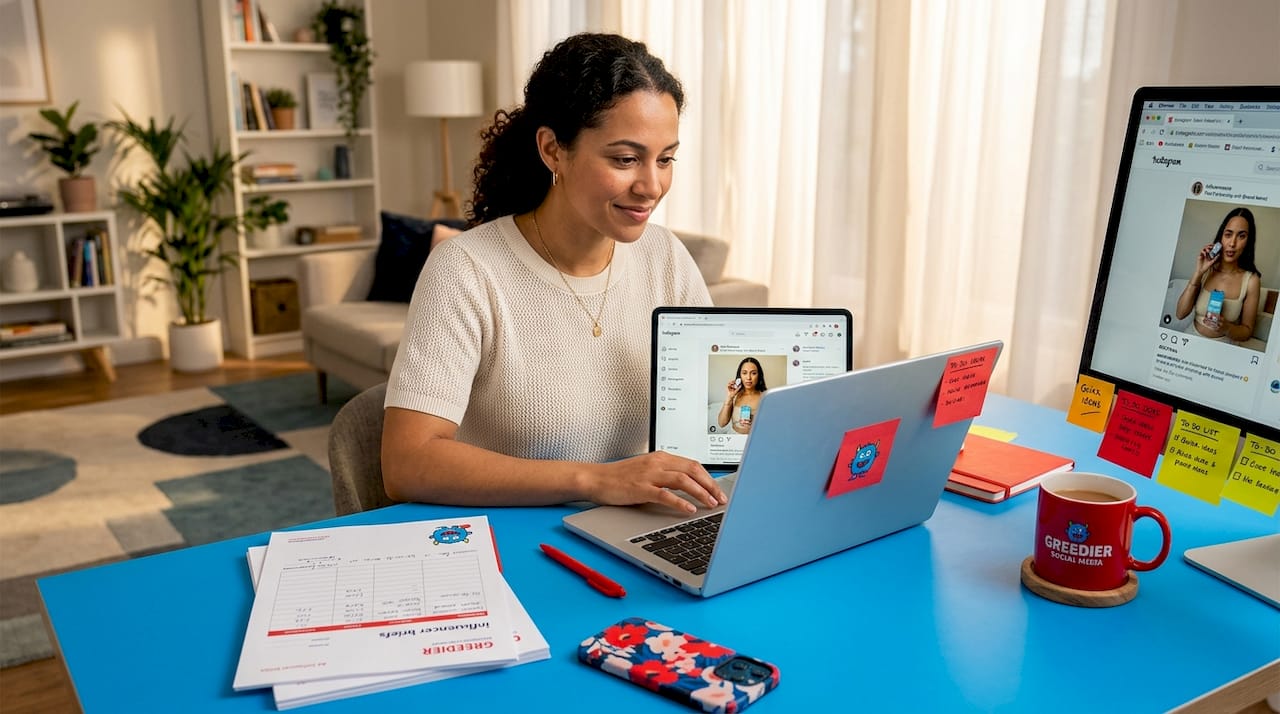
Pro Tip: Build a simple pre-flight checklist for every influencer you brief. It should confirm: platform label activated, verbal or text disclosure present, disclosure placed at the start rather than the end, and content reviewed before publishing.
Transparency here serves a dual purpose. It keeps you legally compliant, and it actually builds trust. Audiences who spot clear disclosures are far more likely to respect the recommendation than those who feel they have been misled about a paid arrangement.
3. Genuine product use and honest reviews
Scripted content is easy to spot. Audiences notice when an influencer has clearly never used a product, and that recognition destroys credibility faster than almost anything else. Research confirms that nearly 44% of UK consumers distrust content that feels rehearsed or inauthentic.
Genuine product use, by contrast, shows up in specific ways:
- Unprompted references to the product in previous posts or Stories
- Honest comparisons that acknowledge what the product does not do well
- Real-world context, like using a skincare product without a full face of makeup, or showing a food item in an actual home kitchen
- Responses to follower questions about the product that go beyond the brand talking points
The nuance here is important. A balanced review that mentions a drawback or limitation actually increases purchase intent for many audiences, because it signals honesty. An influencer who never has a single criticism sounds like a catalogue, not a person.
When vetting for this signal, look beyond the paid post itself. Check the influencer’s unpaid content for evidence they actually use this product category. Someone who has never posted about fitness before suddenly promoting a gym supplement is a credibility red flag, regardless of their follower count.
4. Engagement quality over follower count
Raw follower numbers are the most overrated metric in influencer marketing. They are easily inflated, and they tell you almost nothing about how much an audience actually trusts or listens to an influencer. What you want to measure instead is the quality of engagement.
A peer-reviewed study published in MDPI found that consumer engagement quality mediates the relationship between influencer credibility and brand trust, explaining 41.6% of the variance in brand trust outcomes. That is a significant finding. It means engagement is not just a vanity metric. It is the mechanism through which trust is actually transferred from influencer to brand.
What strong engagement looks like in practice:
- Comment sections with genuine questions and replies, not just emoji reactions
- Influencers who respond to comments, creating two-way dialogue
- Story polls, Q&As, and interactive elements that followers actually participate in
- Saves and shares on feed posts, which signal deeper value than a like
Pro Tip: When auditing engagement, calculate the ratio of comments to likes, not just the overall engagement rate. A high like count with almost no comments is a red flag for bot activity or passive audiences who do not genuinely care about the content.
Checking out a guide to Instagram metrics can help you build a more structured approach to evaluating these patterns before you commit to any influencer partnership.
5. Instagram’s platform tools for trust evaluation
Instagram and Meta have developed several tools that do more than assist with disclosure. They actively support how influencer trust is measured at the campaign level.
The Paid Partnership label functions as an accountability mechanism. When activated, it connects the creator’s post to the brand’s page, creating a transparent trail that both audiences and regulators can see. Beyond compliance, it signals professionalism. An influencer who uses it correctly demonstrates that they take their business seriously.
Meta’s Partnership Ads Hub goes further. It gives brands access to creator UGC performance data before a formal partnership ad is activated. This means you can review how an influencer’s content actually performs with real audiences, including watch time, saves, and interaction rates, without having committed to a full paid arrangement.
Here is a comparison of conventional and platform-based trust signals:
| Trust signal type | Example | Reliability | Where to find it |
|---|---|---|---|
| Conventional: follower count | 250,000 followers | Low (easily inflated) | Profile page |
| Conventional: like count | Average 5,000 likes per post | Low to medium | Individual posts |
| Platform-based: engagement quality | Comment-to-like ratio, reply frequency | High | Post audit, analytics tools |
| Platform-based: Paid Partnership label | Visible on post header | High (compliance verified) | Instagram native |
| Platform-based: Partnership Ads Hub data | UGC performance metrics | High (evidence-based) | Meta Business Suite |
Sprout Social recommends that marketers combine trust and risk signals such as sentiment analysis and disclosure compliance alongside standard performance metrics, rather than relying on conversions alone. This approach gives you a far more accurate picture of whether a creator is actually building trust or simply generating clicks.
6. Sentiment and creator alignment as emerging credibility markers
Beyond the metrics that are easy to pull from a dashboard, there is a layer of qualitative trust evaluation that most marketers skip. Sentiment analysis looks at how audiences talk about an influencer, not just how much. An account with 80,000 followers and consistently warm, enthusiastic comments from recognisable repeat names is worth far more than an account with 500,000 followers and a comment section full of generic phrases.
Creator alignment is equally telling. Does this influencer’s overall content, values, and tone match the brand’s positioning? Misalignment creates cognitive dissonance for audiences, even if they cannot articulate exactly why a partnership feels off. The result is reduced trust in both the creator and the brand.
You can assess sentiment by reviewing three to six months of comment data manually, or by using third-party social listening tools. Look for patterns: repeated praise for specific qualities, frustrated comments about inconsistency, or sudden shifts in tone that might indicate audience scepticism about recent partnerships.
7. Practical application: building a trust-scorecard
All of these individual signals become genuinely useful when combined into a repeatable framework. A trust-scorecard for influencer vetting should audit three core areas, as recommended by both academic research and practical industry frameworks:
- Disclosure compliance. Is the Paid Partnership label consistently activated? Is verbal or text disclosure present in the correct format for each content type?
- Authenticity evidence. Does the influencer show genuine use of the product category outside of paid posts? Do reviews acknowledge limitations?
- Engagement quality. What is the comment-to-like ratio? Are comments substantive? Does the influencer reply to followers regularly?
Pro Tip: Score each area on a simple 1 to 5 scale during your vetting process. An influencer needs to score at least 4 in disclosure compliance and authenticity to be considered, regardless of their engagement numbers. Compliance is non-negotiable.
Audit existing partnerships on a quarterly basis, not just at onboarding. Influencer behaviour changes over time. An account that scored well six months ago may have shifted towards more scripted content or reduced engagement. Regular audits protect your brand before problems surface publicly.
For brands managing multiple influencer relationships, building a shared scorecard template into your standard campaign workflow makes this practical rather than burdensome. It also makes it easier to spot patterns across a portfolio of creators and identify which profiles are delivering consistent trust signals versus which are declining.
My take on trust signals: what the data does not tell you
I’ve spent years watching brands make the same mistake. They pull follower counts, check engagement rates, and tick the disclosure box, then wonder why a campaign underperforms or damages their reputation. The data is useful, but it does not capture the subtler signals that experienced practitioners learn to read.
What I’ve found is that the most telling trust indicator is often how an influencer responds to criticism in their comment section. An influencer who deflects, deletes negative comments, or becomes defensive when challenged is showing you something important about their relationship with their audience. It is not a relationship built on honesty. That fragility will eventually surface in your campaign.
I’ve also seen how trust can collapse in a single post. One sponsored piece that feels jarringly out of character can unravel months of audience goodwill. The audiences that matter most are paying attention to consistency, not just individual posts. When I assess a creator now, I look at six to twelve months of content and ask whether the paid posts feel like a natural extension of their voice, or a departure from it.
The uncomfortable truth is that building trust online is slow work that can be undone quickly. Marketers who treat trust signals as a one-time vetting exercise, rather than an ongoing monitor, are taking a risk that the data alone does not flag.
— Luna
Grow your Instagram presence with confidence
If you are serious about growing an Instagram presence that audiences genuinely trust, the foundation is real, consistent engagement backed by authentic content strategies. Greediersocialmedia has been helping UK brands and creators build visible credibility on Instagram since 2013, without shortcuts that damage long-term reputation.
Whether you need to increase genuine follower interaction, improve your content’s reach, or build the kind of authority that makes partnerships credible, Greediersocialmedia offers growth packages built on real engagement. You can also explore the full range of social media growth tactics the platform offers to find the approach that fits your goals and budget. Over a million satisfied users have built their presence this way. Yours can too.
FAQ
What are the most important trust signals on Instagram?
The strongest influencer trust signals on Instagram are disclosure compliance, evidence of genuine product use, and engagement quality. Research confirms that engagement patterns explain over 40% of the variance in brand trust outcomes, making them more predictive than follower counts.
How do I identify a trustworthy influencer on Instagram?
Audit three areas: whether they consistently use the Paid Partnership label, whether their unpaid content shows genuine familiarity with the product category, and whether their comment sections contain substantive two-way dialogue rather than passive reactions.
Does disclosure compliance actually affect trust?
Yes, significantly. Approximately 49% of UK consumers report declining trust when partnerships are not clearly disclosed. Proper disclosure does not eliminate trust in paid content. It actually protects it.
What is Meta’s Partnership Ads Hub used for?
Meta’s Partnership Ads Hub allows brands to review creator content performance data before activating a formal paid partnership ad, enabling evidence-based trust evaluation rather than decisions based solely on profile metrics.
How often should I audit influencer trust signals?
Quarterly audits are recommended for active partnerships. Influencer behaviour and audience sentiment shift over time, and signals that looked strong at onboarding can deteriorate without triggering any platform alerts.