
For most marketing goals, running a well-planned giveaway beats buying followers, because it builds engagement and reach that convert, while purchased followers rarely interact and often decay within months. The exceptions are narrow: short-term visibility stunts, controlled internal experiments, or a managed engagement service used deliberately alongside organic growth. The evidence, the legal requirements and a practical how-to for each route follow below.
TL;DR:
- Giveaway entrants tend to be more relevant and maintain higher engagement levels, especially if the mechanics are tied to genuine interest.
- Social media promotion laws in the UK require clear terms and fair winner selection, with screenshots recommended for proof.
- Paid engagement services offer instant, measurable visibility but should complement organic growth strategies, not replace them.
- Focus on authentic engagement and milestones rather than follower count, which is a poor indicator of actual influence or return on investment.
Table of Contents
- Giveaways vs buying followers: a quick comparison
- What happens to each audience over weeks and months
- Legal and platform risks you cannot ignore
- What your money actually buys and how to measure it
- How to run a giveaway that actually helps your brand
- Building a growth mix that lasts
- A practitioner’s view on chasing numbers
- Where a managed engagement service fits in
- Sources
- FAQ
Giveaways vs buying followers: a quick comparison
Both tactics promise a fast number, but they deliver very different things. A giveaway typically brings a burst of new followers plus a spike in comments, shares and saves, because entry usually requires some interaction. Buying followers delivers only the headline number: no comment, no click, no interest in what you post next.
The audience quality gap matters more than the initial spike. Giveaway entrants have at least shown up for a reason, even if that reason is a prize; bought followers are frequently bots or dormant accounts with no connection to your niche. Over the following one to six months, giveaway audiences tend to settle into a smaller but more relevant follower base, while bought followers thin out through platform purges and leave your account with a lower engagement rate than before you started.
- Immediate gain: giveaways bring followers plus interaction; bought followers bring only a number.
- Audience relevance: giveaway entrants self-select by interest in the prize; bought followers have no link to your niche.
- Six-month outlook: giveaway followers thin naturally but skew more active; bought followers decay sharply and rarely convert.
What happens to each audience over weeks and months
The pattern for bought followers is well documented. A published purchase experiment buying 5,000 Instagram followers found that fewer than 40% remained active after six months, with organic reach per post falling sharply over the same period, according to Instrack’s purchase test. Platforms also run periodic account purges, and legal commentary on social advertising notes that bought followers typically face these sweeps every three to six months, compounding the decline described in Lewis Silkin’s analysis.
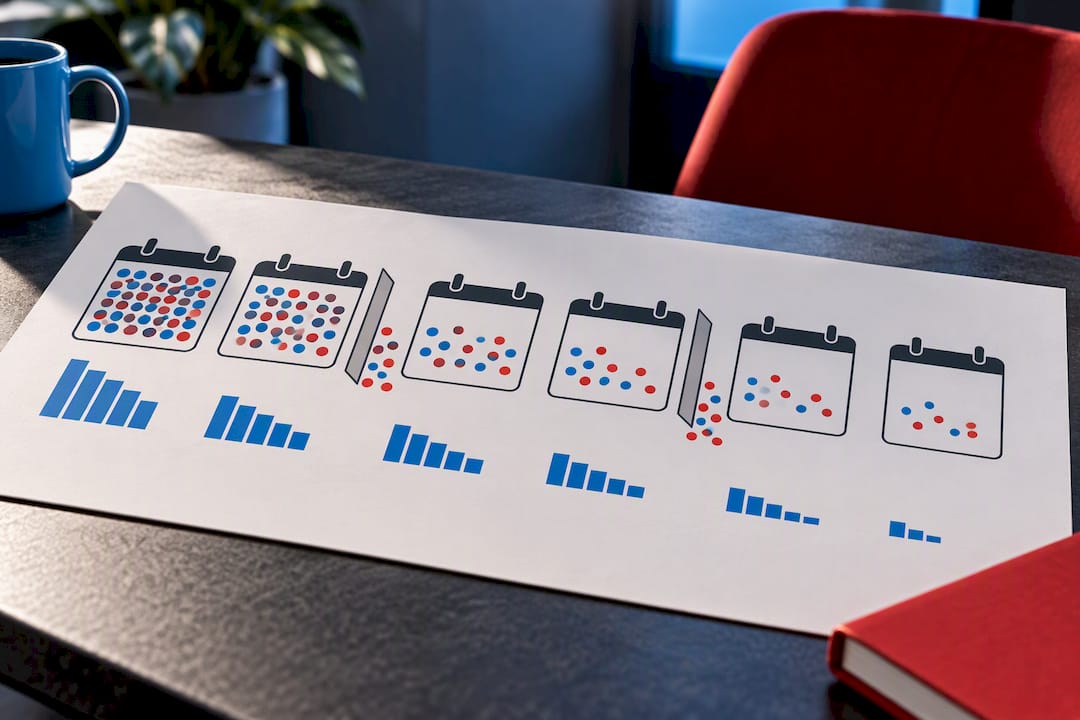
A tracked purchase experiment found that less than half of bought followers remained active after several months, a decline that dragged down average engagement rate on every subsequent post, according to Instrack’s findings.
Giveaway audiences behave differently but not without cost. A share of entrants will unfollow once the prize is announced, and engagement often dips briefly as the campaign ends. The difference is that a well-run giveaway around a genuine milestone can produce a durable spike: reporting on a large influencer giveaway found that timing and existing brand recognition, not the prize alone, drove the scale of the result, per Marketing Examples’ case study.
- Bought followers face routine purges and rarely interact, dragging down engagement rate.
- Giveaway followers show some drop-off post-campaign but retain higher relevance if entry mechanics were tied to genuine interest.
- Small accounts see weaker giveaway results than established brands with existing recognition.
Legal and platform risks you cannot ignore
Any prize promotion run through social media in the UK falls under Section 8 of the CAP Code, and the Advertising Standards Authority treats these as adverts, meaning promoters are responsible for administration, terms and fair winner selection, as set out in ASA guidance on running promotions. Influencer-run giveaways carry the same obligations whenever there is a commercial connection to the brand, and disclosure is required even for a brand’s own promotion.
Buying followers carries a different kind of risk: soft flags, reduced distribution and no legal cover if a platform penalises the account. The reputational damage compounds if followers or engagement are visibly fake to your own audience.
- Make terms and conditions accessible from the entry post itself, not buried in a linked document.
- Choose entry mechanics you can actually verify; unverifiable bonus entries are a recurring cause of upheld complaints.
- Select and notify winners fairly, with a clear, documented process.
Pro Tip: Screenshot your terms, entry mechanics and winner selection process before you publish the giveaway post: it is the fastest way to answer a complaint if one arrives.
What your money actually buys and how to measure it
Bought engagement services are priced by volume, with UK vendors typically charging anywhere from under £1 to over £200 depending on the package and platform, reflecting the wide range seen across follower, like and view products. Giveaway costs vary far more, from a modest prize to a significant influencer fee, but the return is measured differently: not in followers gained, but in engagement rate, click-throughs, sign-ups and sales attributable to the campaign.
The hidden costs matter as much as the sticker price. Verifying winners takes time, complaints trigger admin work, and a purge of bought followers can quietly erase the visibility you paid for within months, an effect explored in more detail here.
- Track engagement rate and click-throughs, not just follower count, for both tactics.
- Budget time for winner verification and complaint handling on any giveaway.
- Expect bought followers to depreciate; treat the spend as short-lived, not an investment.
A tracked purchase test found that a purchased follower group led to a substantial fall in organic reach within several months, which is the kind of downstream cost that rarely shows up in the initial price, according to Instrack’s experiment.
A paid approach can be justified for a short, controlled visibility push or a well-scoped internal test, provided you measure the outcome honestly rather than reporting the follower count alone.
How to run a giveaway that actually helps your brand
- Define the business goal first: newsletter sign-ups, website visits or genuine follows, and design entry mechanics that map directly to it.
- Choose a prize your actual target audience wants, not a generic gift card that attracts prize hunters with no interest in your niche.
- Write clear, accessible terms and conditions in the post itself, covering eligibility, dates, prize value and how winners are chosen.
- Pick verifiable entry actions only: comments and sign-ups are checkable, unlike claims of private story shares.
- Select and contact winners promptly, and publish the result to keep the process transparent.
- Follow up with every entrant, not just the winner, with an offer, a discount or content that keeps the relationship going.
Pro Tip: Ask entrants to sign up to an e-mail list rather than just follow: a follow can vanish overnight, but a subscriber list is yours to keep.
Building a growth mix that lasts
Organic growth remains the more durable route for most brands: consistent posting, cross-posting across platforms, replying to comments and building partnerships with adjacent creators. Practitioner guidance on reaching a first 1,000 followers recommends comment-to-follower funnels and tight niche positioning over shortcuts, according to WoopSocial’s organic growth framework.
An occasional giveaway fits well inside that plan when it is tied to a genuine milestone rather than run as a stand-alone acquisition tactic. A managed paid engagement service can also sit alongside organic work as a deliberate, short-term visibility boost rather than a replacement for it, an approach covered in more depth in why authentic engagement tends to outperform fake activity over time.
- Post consistently and cross-post to widen reach without extra production cost.
- Reply to comments and DMs to convert casual followers into an engaged audience.
- Partner with adjacent creators for shared, relevant exposure.
- Reserve giveaways for milestones, and treat paid engagement boosts as occasional, not constant.
A small creator might spend the first month on content cadence and partnerships, the second on a milestone giveaway with clear conversion mechanics, and the third measuring what stuck before deciding whether a paid boost is worth adding.
A practitioner’s view on chasing numbers
The follower count is the least useful metric on your profile, yet it is the one most brands chase first. Giveaways win when they are built around a real goal and measured honestly; bought followers almost never survive that same scrutiny, because there was never any engagement to measure. Authenticity is a slower path but a more durable one, a point echoed in Baby Love Growth’s piece on authenticity and brand trust. Measure engagement, not vanity numbers, and check your compliance before you publish.
— Irwin Lee
Where a managed engagement service fits in
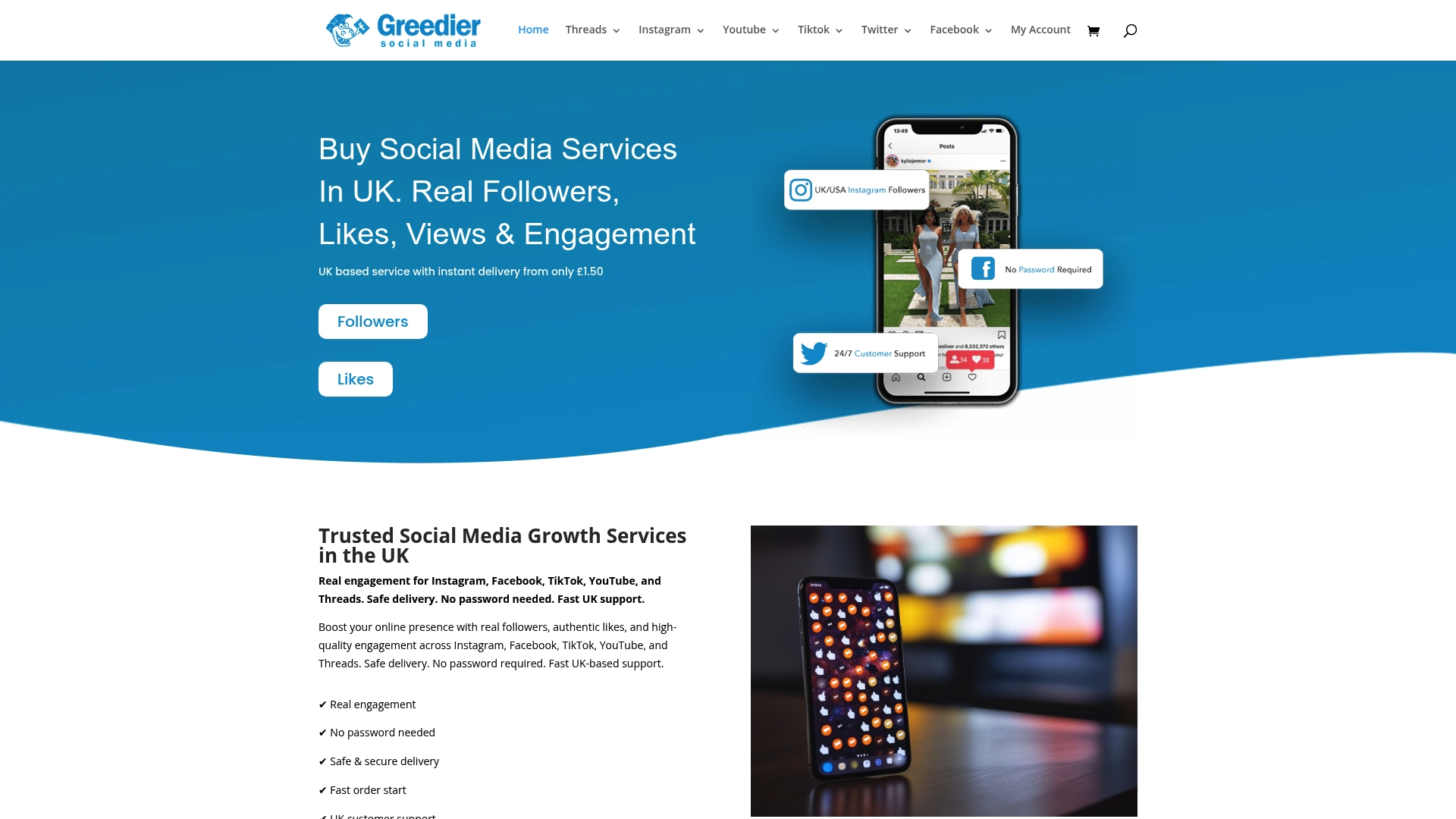
Some brands want visibility now, not in three months, and that is the specific job such managed engagement services are built for. Such services sell engagement packages across Instagram, Facebook, TikTok and YouTube, delivered instantly without needing your password, alongside customer support for anyone who wants a managed, measurable route rather than a DIY giveaway.
- Best suited to brands wanting a fast, controlled visibility boost alongside organic content, not as a replacement for it.
- Delivery is instant and password-free, with support available if something needs adjusting.
- It works best paired with a real content and engagement plan, not as a stand-alone fix for a quiet account.
If that fits what you need, the Instagram engagement packages are the fastest place to start.
Sources
- Running promotions on social platforms — ASA
- Should You Buy Instagram Followers? (We Tried It) | Instrack
- What information must appear in social media ads? — Lewis Silkin
- Molly-Mae giveaway case study — Marketing Examples
FAQ
Does buying followers actually work?
Not in any way that helps your account long term. A tracked purchase experiment found that fewer than 40% of bought followers remained active after six months, with organic reach falling sharply over the same period, according to Instrack’s test.
What is the 5-3-1 rule on Instagram?
Definitions vary across the industry, and no single primary source ties a fixed 5-3-1 framework to Instagram’s own guidance. It is generally used informally to describe a content mix of curated, created and promotional posts, but treat it as a rough content planning habit rather than an official rule.
How much does it cost to buy 1,000 followers on Instagram?
Greedier Social Media prices Instagram follower packages between £1.99 and £229.99 depending on the quantity and package chosen, with delivery handled instantly and without a password, on the Instagram product page. Pricing for similar services elsewhere varies by vendor and package size.
How much is 10,000 Instagram followers worth?
There is no reliable published figure for what follower counts are worth in isolation, because value depends entirely on engagement rate, niche and conversion, not follower count alone. A smaller, genuinely engaged audience typically outperforms a larger inactive one on clicks, sign-ups and sales.