
Understanding a followers service refund policy UK law actually requires can save real frustration later.
UK law does give you refund rights when you buy followers, likes or views, but they come with conditions. You get a 14 day cooling off period on services and digital content unless you gave clear, recorded consent to start delivery immediately. Refunds are also owed when a provider fails to deliver, delivers the wrong thing, or breaches the Consumer Rights Act 2015’s quality standards. Many providers offer refill guarantees too, but a refill is not the same thing as your statutory right to money back.
TL;DR:
- Refund rights apply if followers are not delivered, are substandard, or do not match marketing claims, with non-delivery being a clear breach.
- The 14-day cancellation window can only be waived if the buyer explicitly consents to immediate delivery and acknowledges losing their rights beforehand.
- Refill guarantees cover follower drops caused by platform removals, but do not replace statutory refunds if services were faulty from the start.
- Evidence such as order details, screenshots, and targeting info are crucial when requesting a refund within the legal timeline.
- Blanket “no refunds” policies are generally unenforceable, and providers must respect statutory rights unless proper express consent was obtained.
Table of Contents
- Eligibility for a followers service refund policy UK buyers can rely on
- The 14 day cancellation right for followers and likes
- Non-delivery, drops and refill guarantees: knowing which applies
- How to request a refund: evidence and timelines
- When followers service refunds can be reduced or refused
- Escalating a refund dispute: who to contact next
- Greedier Social Media’s approach to refunds and refills
- What checkout wording should actually look like
- Choosing a UK provider that handles refunds properly
- Where these rules come from
- Sources
- FAQ
Eligibility for a followers service refund policy UK buyers can rely on
You are entitled to a refund, repeat performance or price reduction when a follower or engagement service fails tests under the Consumer Rights Act 2015 regarding quality, fitness for purpose, and accurate description at checkout. A provider’s own marketing claims, such as promises about targeting a UK audience or delivering “real” followers, count towards that description, and a mismatch can trigger a remedy under section 34.
Non-delivery is the clearest trigger. If you pay for 1,000 followers and receive 200, that is a breach, not a delay. Substandard delivery counts too, and this is where the industry’s refill guarantee comes in. A refill guarantee typically promises to top up numbers if they drop within a set window, often 30 to 90 days, but it does not cover:
- Non-delivery of the original order
- Followers targeted to the wrong country or audience
- Services that breached the terms you were shown at checkout
- Situations where the drop was caused by the platform removing fake accounts rather than the provider’s fault
A refill fixes a shortfall. It does not replace your right to a refund when the service itself was faulty from the start.
The 14 day cancellation right for followers and likes
Services and digital content, including social media followers and likes, fall under the “normal cancellation period” of 14 days set by Regulation 30 of the Consumer Contracts Regulations 2013. That window exists whether or not the seller calls the product “instant delivery.”
Providers can only start supplying before the 14 days end, and lawfully remove your right to cancel, if two things happen first:
- You give express consent to immediate performance, usually through a checkbox you actively tick rather than one pre-ticked for you.
- The trader gives you a clear, durable acknowledgement that you understand you are losing your cancellation right by agreeing to instant delivery.
This comes directly from Regulation 37 of the Consumer Contracts Regulations 2013. If a business skips either step, “instant delivery” does not strip away your cancellation right, even if the followers landed in your account within minutes.
Pro Tip: Check your order confirmation email after buying. If it doesn’t repeat back a statement that you agreed to lose your cancellation right, keep that email. It’s evidence the provider may not have captured consent properly, which strengthens a refund claim even after delivery.
Non-delivery, drops and refill guarantees: knowing which applies

Non-delivery means the order never arrived in the quantity or form you paid for. A follower drop-off is different: numbers arrive, then fall away over days or weeks, often because the platform removes low-quality or automated accounts. Providers usually treat drop-off with a refill rather than a refund, and that is a reasonable first response if the terms were clear about it.
Watch for these signs that a refill offer is not good enough:
- The refill window is shorter than the timeframe the drop actually happened in
- The provider only offers partial refills after multiple requests
- Terms exclude drops caused by “platform changes,” which is vague enough to cover almost anything
- You have already been through two or more refill cycles without a stable result
At that point, insisting on a refund rather than another refill is fair. Repeated refills that never solve the problem point to a service that was never fit for purpose in the first place, which brings you back to your statutory rights rather than the provider’s goodwill policy.
How to request a refund: evidence and timelines
Before contacting support, gather your order ID, the date and time of purchase, screenshots of the follower count before and after delivery, and any targeting details you specified (country, niche, audience type). This evidence turns a vague complaint into a claim a provider can actually process quickly.
Structure your request simply:
- State your order number and purchase date.
- Describe exactly what went wrong, using numbers rather than general complaints.
- Ask specifically for a refund or a replacement, not just “help.”
- Give a reasonable deadline, such as seven days, for a response.
Once a cancellation or refund is agreed, the trader must reimburse you using your original payment method and without deducting a fee, and this should normally happen within 14 days of the cancellation or the agreement to refund. If you paid extra for faster delivery, that charge is refundable too, unless you chose it as an optional upgrade over the standard option.
When followers service refunds can be reduced or refused
A provider can lawfully limit your cancellation right, but only if they captured your express consent and gave you a clear acknowledgement before starting delivery, exactly as Regulation 37 requires. Miss that step, and the limitation does not hold up.
Blanket “no refunds, no exceptions” clauses are a common sight in this industry, and they are largely unenforceable in the UK. A term that tries to remove your statutory rights entirely is generally treated as unfair, regardless of what the checkout page says.
- If a provider refuses a legitimate claim outright, a chargeback through your card issuer or bank is a reasonable next step.
- Keep your evidence pack ready: order confirmation, correspondence with the seller, and proof of what was actually delivered.
- Note the date you first raised the issue, since banks often ask when you attempted to resolve it directly.
Pro Tip: Chargebacks work best when you’ve already given the seller a fair chance to fix things first. Skipping straight to your bank without contacting support can weaken your case if the provider later disputes the claim.
Escalating a refund dispute: who to contact next
Most disputes resolve directly with the seller, but not all of them. A practical escalation path looks like this:
- Raise the issue with the seller in writing, referencing your order and the specific breach.
- If unresolved, request a chargeback from your card provider or bank.
- Contact Citizens Advice for free, impartial guidance on your consumer rights.
- Report unresolved or widespread issues to your local Trading Standards service.
- Where the complaint involves misleading claims, such as followers marketed as “real” when they clearly are not, the CMA’s guidance on fake reviews and endorsements sets out why concealed or manufactured engagement can breach consumer protection law, giving your complaint extra weight.
Each body will typically want the same core evidence: your terms and conditions, order screenshots, and any message logs with the seller. Trading Standards and the CMA act on patterns across many complaints rather than resolving single cases directly, so your report still matters even without an instant fix.
Greedier Social Media’s approach to refunds and refills
Consent and clarity at checkout are the two things that decide whether a refund claim succeeds, and they are the two things Greedier Social Media builds its process around for UK clients. The company positions itself on real, authentic engagement rather than bot activity, secure delivery with no password required, and UK based support.
That focus on transparency runs through its Instagram follower packages and its guide on buying social media engagement safely, both of which set expectations about targeting, delivery speed and what happens if something goes wrong. Support requests go through UK based channels rather than an offshore queue, which matters when you are trying to resolve a claim inside a 14 day window.
What checkout wording should actually look like
Clear checkout wording protects both sides. Look for a plain statement that delivery starts immediately, an active consent box (never pre-ticked), and a follow-up confirmation repeating that you’ve agreed to lose your cancellation right. If a provider’s auto follower subscription terms mention refills, check the exclusions before you buy, not after a drop happens. Save your order confirmation and contact support the day you spot a problem.
— Irwin Lee
Choosing a UK provider that handles refunds properly
Providers who bury their refund terms in vague language tend to be the same ones who drag their feet when something goes wrong. Some providers take an approach emphasizing real engagement rather than bots, no password required at checkout, and UK based support built to respond quickly when a query comes in.
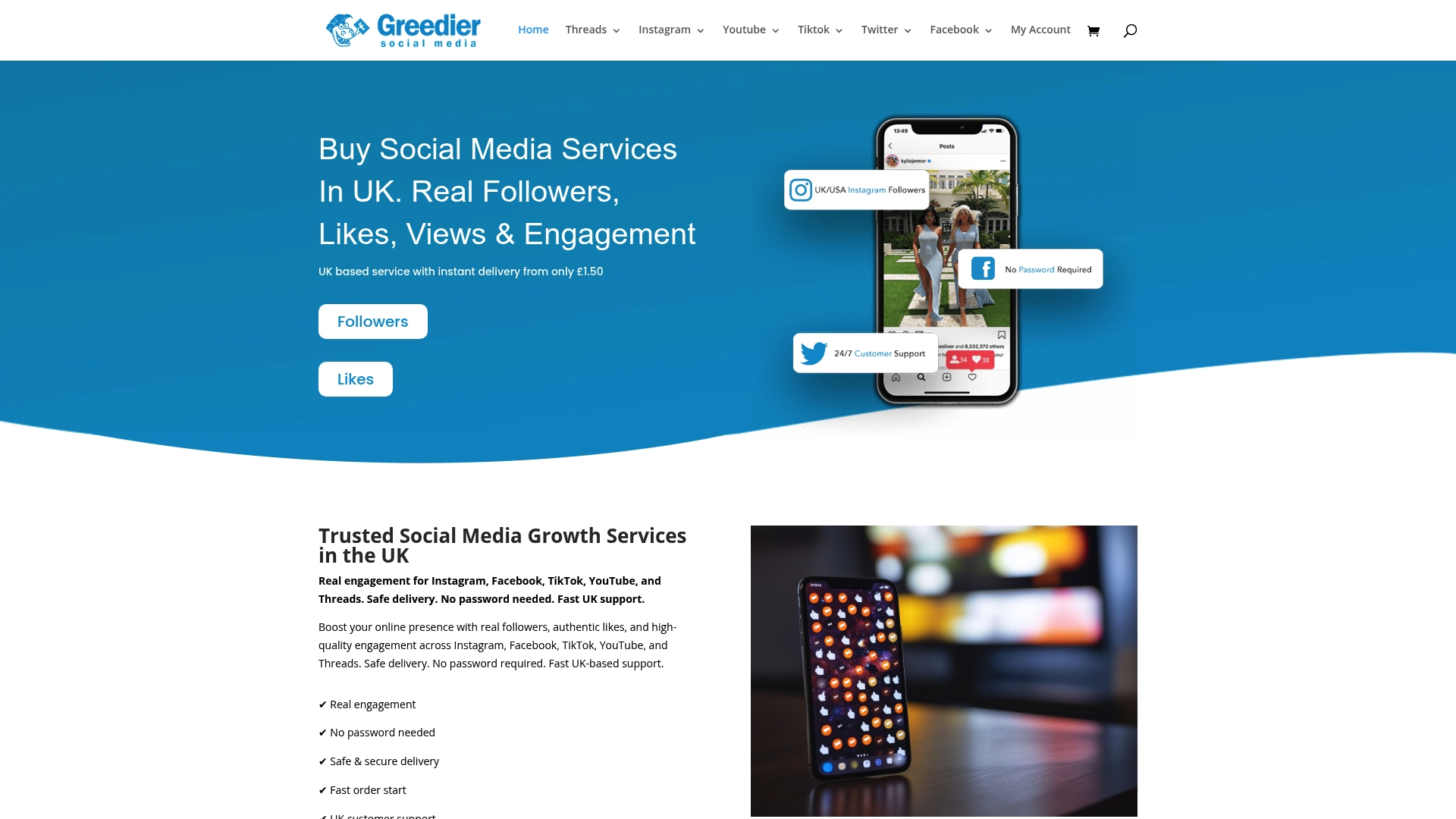
If you are weighing up follower or engagement packages, the Instagram category page sets out pricing clearly before you commit, from single one-off boosts through to auto follower subscriptions for ongoing growth. For measuring whether a campaign is actually landing with the right audience once delivered, a resource like Baby Love Growth’s digital footprint guide is a useful companion for tracking engagement quality after the fact. Browse the current packages, check the terms shown at checkout, and reach out to support directly if you need clarity before you buy.
Where these rules come from
The refund and cancellation rules referenced here sit in the Consumer Contracts Regulations 2013, the Consumer Rights Act 2015, and CMA guidance on fake reviews.
FAQ
Am I entitled to a refund in the UK?
Yes, if the service was not delivered, was substandard, or did not match what was described, the Consumer Rights Act 2015 entitles you to a repair, repeat performance, price reduction or refund. You also have a 14 day cancellation right on services and digital content unless you gave express consent to start delivery immediately.
How long does a company have to refund your money in the UK?
Once a refund is agreed or you cancel within your rights, the trader must reimburse you within 14 days, using your original payment method and without charging a fee. Delays beyond this point are themselves a breach of the regulations.
What can I do if a company won’t refund me in the UK?
Put your request in writing first, referencing your order and the specific problem. If the seller refuses without good reason, a chargeback through your bank, a report to Citizens Advice, or a complaint to your local Trading Standards service are the next steps.
Is it legal to offer no refunds in the UK?
A blanket “no refunds” policy is generally unenforceable, because it tries to remove statutory rights that consumer law guarantees regardless of what a checkout page states. Providers can only limit your 14 day cancellation right if they captured your express consent and gave a clear acknowledgement before starting delivery.
Does a followers service refund policy in the UK cover follower drops?
It depends on the terms, but many providers treat a drop in numbers with a refill rather than a cash refund, provided the drop falls inside the guarantee window. If refills repeatedly fail to fix the problem, or the terms excluding your situation are unclear, you can still pursue a refund under the Consumer Rights Act 2015.