
Whether is buying instagram followers illegal depends heavily on jurisdiction and platform terms, not just opinion.
This guide covers the general legal and platform landscape around buying followers, it is not legal advice and you should speak to a qualified professional for anything specific to your business. What we can tell you plainly: the practical exposure below is almost entirely about bot-delivered followers and misrepresenting reach to third parties, not about supplementing real, active engagement. See how we approach this on our Instagram Followers page.
Not legal advice. This article discusses general information about platform policies and publicly available rules, not a legal opinion. Laws, regulations, and enforcement practices vary by country and change over time. If this affects a real business decision, speak to a qualified solicitor or attorney in your jurisdiction rather than relying on this page.
Buying Instagram followers is not usually a criminal act if you’re a private individual chasing vanity numbers, but it becomes genuinely unlawful when a business uses fake followers to misrepresent its reach for commercial gain. It’s also always a breach of Instagram’s own rules, which puts your account at risk regardless of intent. The rest of this guide walks through the regulatory test, the platform penalties, and what to do if you’ve already bought followers.
TL;DR:
- Buying fake followers to misrepresent influence for commercial gain can lead to civil penalties under US law, especially if it involves material misrepresentation about genuine engagement.
- Instagram and Meta strictly prohibit purchasing followers, with enforcement actions including follower removal, shadowbans, feature restrictions, and account suspensions.
- Sellers typically use bot farms, recycled accounts, or hijacked profiles for delivery, which are easily detectable through engagement mismatch and suspicious growth patterns.
- If you’ve already bought followers, revoke third-party access, remove fake followers manually, and document your actions to mitigate legal and platform risks.
- Genuine growth through targeted advertising and authentic engagement is safer, more sustainable, and always more defensible than purchased followers or vanity metrics.
Table of Contents
- Is buying Instagram followers illegal? What the FTC rule actually says
- What Instagram and Meta actually do about bought followers
- Where fake followers actually come from and how they get caught
- When it crosses from policy breach into legal exposure
- Already bought followers? Here’s how to limit the damage
- Why real numbers beat rented ones
- A safer route to visibility that won’t cost you your account
- Sources
- FAQ
Is buying Instagram followers illegal? What the FTC rule actually says
The clearest legal standard comes from the United States, where the Federal Trade Commission’s final rule addresses fake indicators of social media influence, including bought followers, likes, and views. Three conditions generally need to be met for it to count as a civil violation:
- The follower, like, or view count is fake rather than genuine engagement.
- The buyer knew, or reasonably should have known, that the followers weren’t real.
- The fake indicators materially misrepresent influence for a commercial purpose, such as landing sponsorship deals or convincing customers a brand is bigger than it is.
Crucially, these are civil penalties, not criminal charges. Nobody is facing prison time for buying 5,000 followers before a product launch. But the FTC has said plainly that it intends to use this rule against influencers and brands that buy fake followers to inflate their apparent reach, and civil fines under an FTC enforcement action can run into real money for a small business.
The rule is American, but the logic behind it travels. Given that the largest platforms count their users in the billions, regulators in other markets are watching the same behaviour closely, and consumer protection bodies elsewhere apply broadly similar “don’t materially mislead consumers” principles. If you sell to, or advertise toward, US audiences, this rule applies to you no matter where your business is registered.
What Instagram and Meta actually do about bought followers
Meta’s policies explicitly prohibit buying or selling likes, follows, and views, treating it as a form of spam and inauthentic behaviour that undermines the platform’s integrity. This is a platform rule, entirely separate from the FTC’s legal test, and it applies to absolutely everyone, whether you’re a private account or a global brand.
Breach that rule and you can expect some combination of the following:
- Bulk removal of the followers you paid for, often weeks or months after delivery.
- Reduced reach and distribution, sometimes called a shadowban, even on organic content.
- Temporary limits on posting, commenting, or using certain features.
- Permanent suspension or termination for repeated or severe violations.
Meta doesn’t rely on manual reviews alone. Automated systems run periodic sweeps that flag accounts with sudden, inorganic growth spikes, and third-party app access used to deliver bought followers can trigger developer-policy enforcement that locks accounts out of connected tools entirely. Our own breakdown of what happens when you buy Instagram followers covers the typical enforcement timeline in more detail.
Where fake followers actually come from and how they get caught
Sellers rarely disclose their sourcing, but the delivery methods generally fall into three camps.
- Bot farms produce thousands of automated accounts with no real person behind them, often with generic usernames and default profile photos.
- Recycled or dormant accounts get repurposed and mass-followed to accounts across many customers at once.
- Hijacked accounts, sometimes compromised through credential leaks elsewhere, get added to follower pools without their owners’ knowledge.
Detection isn’t complicated for a platform with Meta’s data. Engagement mismatch is the biggest tell: an account with 20,000 followers and 40 likes per post looks obviously wrong. Odd follow and unfollow patterns, implausible geographic clustering, and sudden overnight spikes all get flagged. Our warning signs guide walks through the specific patterns worth checking on your own account.
Pro Tip: Run your own numbers before anyone else does. If your engagement rate sits well under 1% while your follower count looks healthy, that gap is exactly what both Instagram’s systems and any advertiser doing due diligence will notice first.
None of this delivers real business value even before enforcement kicks in. Bought followers don’t click links, don’t buy products, and rarely engage with content in any way that moves revenue.

When it crosses from policy breach into legal exposure
Every bought follower breaches Instagram’s terms. Far fewer purchases cross into the territory the FTC actually cares about, which is commercial deception, not personal vanity.
The line gets crossed when followers are used to misrepresent influence for money. That includes pitching sponsored posts on the back of an inflated audience, using follower counts to sell products or services, or charging brands for endorsements based on reach that doesn’t exist. A private account boosting numbers before a wedding hashtag is a different animal entirely from a business account using those numbers in a media kit.
Several signals suggest a buyer should reasonably have known the followers were fake:
- Follower growth that jumps by thousands overnight with no viral trigger.
- Sellers who won’t explain their sourcing or guarantee “real” followers with specific details.
- Pricing so low it couldn’t possibly reflect genuine account acquisition or advertising spend.
Regulators are focused on material misrepresentation to consumers or advertisers, and brands can carry liability even when a third party made the actual purchase on their behalf.
Already bought followers? Here’s how to limit the damage
Stop compounding the problem before you fix what’s already there. Three steps matter immediately.
- Revoke third-party app access used to deliver the followers and change your account password.
- Pull any bought metrics from pitch decks, media kits, or ad claims immediately.
- Remove the inauthentic followers manually where possible, and document every action you take.
Once the account is stable, audit your analytics for anomalies that might have masked genuine performance data, and keep a written record of the vendor invoice, removal steps, and any communications. That trail matters if a client or regulator ever asks questions later.
Pro Tip: Redirect the budget you’d have spent on fake followers into targeted ads or a vetted influencer marketing partnership instead. It costs roughly the same and produces numbers you can actually defend.
Why real numbers beat rented ones
Vanity metrics look good in a screenshot and do nothing for revenue. Conversions, saves, and genuine comment threads are what actually correlate with sales, and no regulator has ever fined a business for having modest but real engagement.
Growing an audience without shortcuts that create legal exposure is entirely possible, which is the premise behind some social media engagement services that deliver engagement without asking for account passwords and focus support specifically on UK-based creators and businesses. The honest answer for anyone weighing this up is simple: chase numbers you could explain to a client, a journalist, or a regulator without flinching.
— Irwin Lee
A safer route to visibility that won’t cost you your account
If the legal grey areas and platform sweeps above have you rethinking a purchase, there’s a real difference between rolling the dice on an anonymous seller and using a service built around transparency. Some services do not ask for your password, deliver UK-focused customer support, and structure their followers, likes, and views around real engagement rather than the bot farms and hijacked accounts described earlier in this article.
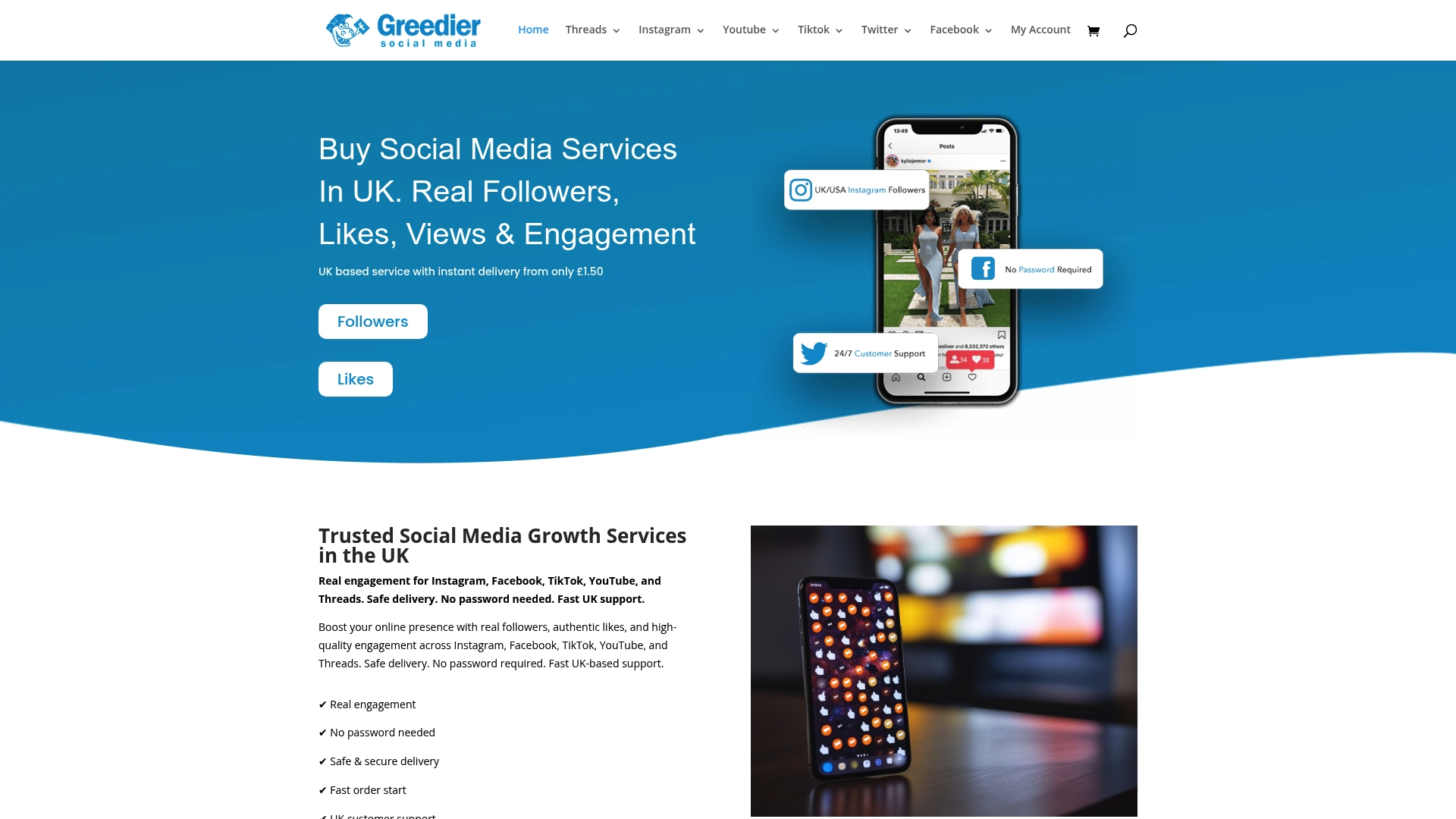
Some packages cover Instagram alongside Facebook, TikTok, YouTube, and Threads, with delivery designed to look organic rather than triggering the spike-detection systems platforms use to flag inauthentic growth. That matters if you’re building a media kit or pitching sponsors, where a defensible growth history counts for more than a big number that could vanish in the next purge. If you want a clearer picture of how compliant growth actually compares to the fake-follower route, the authentic engagement versus fake followers guide breaks down the practical differences, and you can browse current packages to find one that fits your account size and budget.
Sources
- Federal Trade Commission Announces Final Rule Banning Fake Reviews and Testimonials
- FTC says it’s illegal for influencers and brands to buy fake followers – Business Insider
FAQ
Is it illegal to buy Instagram followers?
It’s not usually a criminal offence for personal vanity purchases, but under the FTC’s rule it can be an unlawful civil violation when a business uses fake followers to misrepresent its influence commercially.
Can I get banned for buying followers on Instagram?
Yes. Meta’s policies prohibit buying engagement outright, and accounts caught doing so can face follower removal, reduced reach, temporary restrictions, or permanent suspension.
Is it safe to buy Instagram followers?
Buying from unverified sellers carries real risk, including bot-farm or hijacked-account delivery, account flags, and potential legal exposure for commercial accounts; choosing a service with transparent, UK-focused support like Greediersocialmedia reduces some of that risk.
Can I buy real followers on Instagram?
Genuine, permanent audience growth only comes through real engagement, targeted advertising, or organic content, since even “real-looking” bought accounts tend to be inactive or short-lived and rarely engage meaningfully.
How much do 1,000 Instagram followers cost?
Pricing varies widely by provider and follower quality, so it’s worth comparing packages directly on a provider’s site rather than relying on a single average figure.